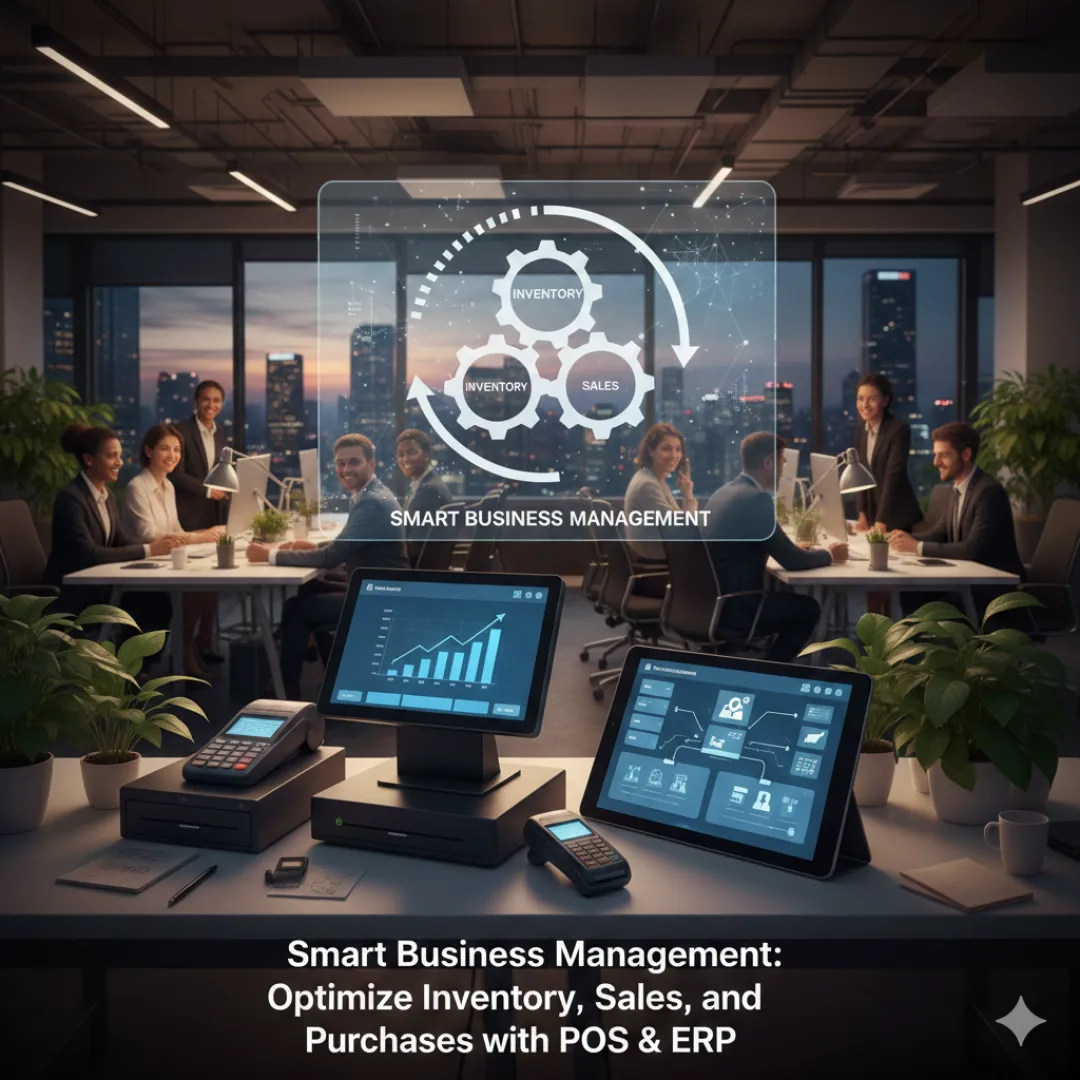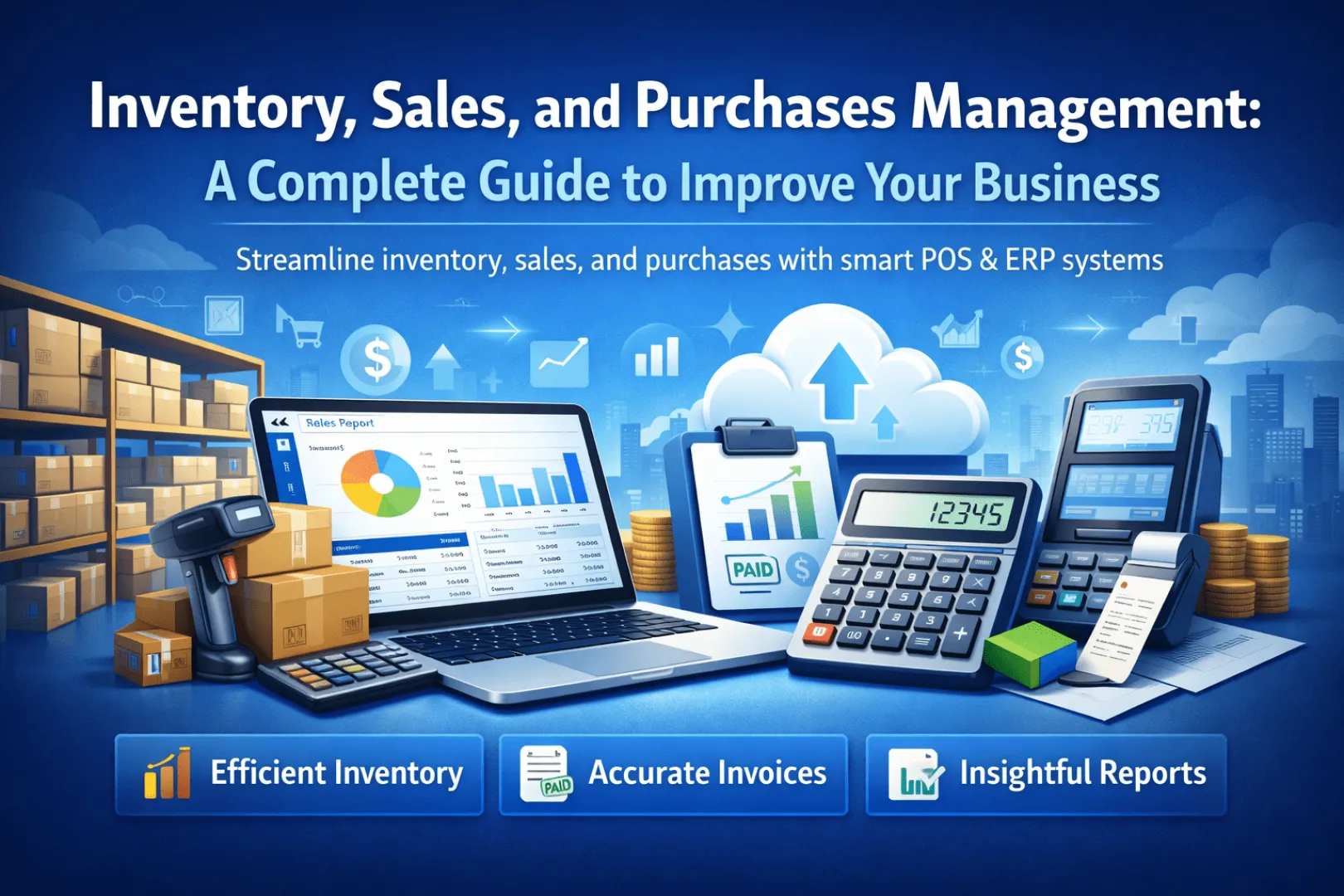
In modern business, managing inventory, stock, sales, and purchases is at the heart of every successful company. Any gap in stock tracking, invoice recording (invoice), or reporting (reports) can cost time, money, and sometimes customers. That’s why businesses that rely on accurate, end-to-end systems to connect sales, purchases, and inventory usually achieve better results and higher profitability.
Understanding Inventory Management
Inventory management means tracking everything related to products and goods inside the business with precision. Inventory is not just a quantity sitting in a warehouse—it’s a strategic asset that affects the entire business cycle. There are multiple types of stock, including finished goods, work-in-progress, and raw materials. Each type needs careful monitoring to avoid running out or overstocking.
Core inventory management steps include:
- Recording every incoming and outgoing stock movement
- Updating quantities periodically or in real time using smart systems
- Alerts when inventory drops below the minimum threshold
- Analyzing inventory to avoid excess or shortages
A smart inventory system helps keep stock balanced, reduces costs, and improves response speed to customer demand. Businesses that ignore inventory tracking often face critical stockouts or overstocking that disrupts financial operations.
Sales Management
Sales are the backbone of any commercial activity. Proper sales management starts with accurate transaction recording and professional invoice creation, so every sale can be tracked and connected to financial records.
Benefits of smart sales management include:
- Improving customer experience with clear, fast invoices
- Providing accurate data on best-selling products
- Integrating with inventory to update stock automatically after each sale
- Generating reports that help analyze performance and make faster decisions
Relying on digital sales systems reduces manual errors, improves payment tracking, and provides a complete view of the sales cycle from order to delivery.
Purchases Management
Purchases management is about securing the products and materials required to keep operations running. Connecting purchases with inventory is critical to avoid stockouts or unnecessary overstocking.
Key purchases best practices include:
- Planning purchase orders based on sales and stock data
- Tracking every purchase order and delivery schedule
- Evaluating suppliers and ensuring material quality
- Analyzing costs and opportunities to reduce expenses
Using an ERP or an integrated purchases system enables businesses to track all purchases and automatically link them to inventory and sales, saving time, reducing effort, and minimizing errors.
Invoices and Accounting
Invoices (invoice) are not just financial documents—they’re a strategic tool to keep financial operations organized and accurate. Issuing precise sales and purchase invoices ensures transactions are recorded correctly and makes it easier to generate reports later.
Key benefits include:
- Speeding up payment and collection
- Linking invoices to inventory to update stock automatically
- Easy tracking of sales and purchases for accounting
- Generating detailed financial reports with ease
Digital invoicing reduces manual errors and strengthens transparency between financial and administrative teams.
Reports and Analytics
Accurate reports are the key to understanding company performance and making the right decisions. Important reports include:
- Inventory reports: monitor current stock levels and your ability to meet demand
- Sales reports: identify best and worst performers and analyze results
- Purchases reports: evaluate suppliers and improve the purchases cycle
- Financial reports: track profit and loss, and analyze revenue and expenses
Data analysis supports strategic decisions, such as deciding which items need replenishment, adjusting pricing, or improving sales and purchasing cycles to maximize profitability.
Using Digital Systems for Business Management (ERP & Cloud Solutions)
Bringing inventory, stock, sales, purchases, invoice, and reports into a single system (ERP or cloud software) provides full control and reduces errors. Key advantages include:
- Accessing data from anywhere
- Automatically updating inventory with every sale or purchase
- Generating accurate reports instantly
- Improving staff management, loyalty programs, and customer analytics
Practical Tips to Boost Efficiency
- Use smart automation to update inventory, invoices, and reports
- Review inventory regularly to avoid stockouts and overstocking
- Analyze sales and purchases data to improve daily and strategic decisions
- Train staff on the system to ensure efficient usage
Conclusion
Managing inventory, stock, sales, purchases, invoice, and reports in an organized, smart way improves performance, reduces mistakes, and increases profits. Integrated digital systems are now essential for any business aiming to grow and stand out.